Kevin Ware’s Bone-Protruding InjuryKevin’s coach Rick Pitino filled a reporter in on the severity of the injury after the game: “Basically the bone popped out of the skin. It broke in two spots. It will take a year to come back,” he said. Rick confirmed that Kevin’s bone was protruding six inches out of his skin.
It’s possible Ware had a stress fracture or fractures — tiny cracks in the bone typically caused by excessive physical activity — that weakened the structural integrity of his tibia, leaving him predisposed to a sudden, severe break.
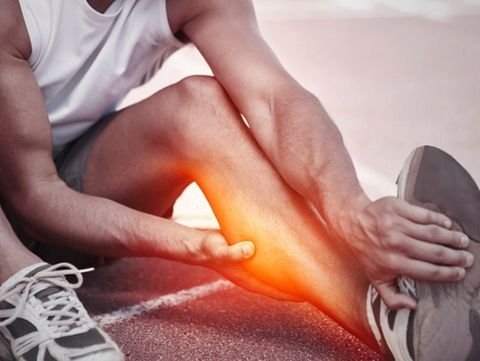
A muscle cramp is a strong, painful contraction or tightening of a muscle that comes on suddenly and lasts from a few seconds to several minutes. It often occurs in the legs. A muscle cramp is also called a charley horse. Nighttime leg cramps are usually sudden spasms, or tightening, of muscles in the calf.
Overuse of a muscle, dehydration, muscle strain or simply holding a position for a prolonged period can cause a muscle cramp. In many cases, however, the cause isn’t known. Although most muscle cramps are harmless, some may be related to an underlying medical condition, such as: Inadequate blood supply.Jan 3, 2019
Common causes of cramps include cold weather, overexertion, illness and dehydration, or poisoning. In medical terms, cramping can be brought on by one of the five factors: inadequate oxygenation; hyperflexion; dehydration; exposure to large changes in temperature; and/or low blood salt levels.
The pain that is associated with muscle cramps caused by poor circulation to the legs that worsens with walking is referred to as claudication. Deficiencies of certain vitamins, including thiamine (B1), pantothenic acid (B5), and pyridoxine (B6), can also cause muscle cramps.
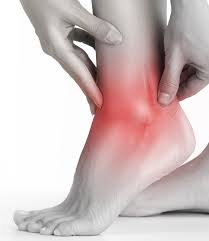
A sprain is a stretching or tearing of ligaments — the tough bands of fibrous tissue that connect two bones together in your joints. The most common location for a sprain is in your ankle.
Initial treatment includes rest, ice, compression and elevation. Mild sprains can be successfully treated at home. Severe sprains sometimes require surgery to repair torn ligaments.
The difference between a sprain and a strain is that a sprain injures the bands of tissue that connect two bones together, while a strain involves an injury to a muscle or to the band of tissue that attaches a muscle to a bone.
Causes
A sprain occurs when you overextend or tear a ligament while severely stressing a joint. Sprains often occur in the following circumstances:
Ankle — Walking or exercising on an uneven surface, landing awkwardly from a jump
Knee — Pivoting during an athletic activity
Wrist — Landing on an outstretched hand during a fall
Thumb — Skiing injury or overextension when playing racquet sports, such as tennis
Children have areas of softer tissue, called growth plates, near the ends of their bones. The ligaments around a joint are often stronger than these growth plates, so children are more likely to experience a fracture than a sprain.
Risk factors
Factors contributing to sprains include:
Environmental conditions. Slippery or uneven surfaces can make you more prone to injury.
Fatigue. Tired muscles are less likely to provide good support for your joints. When you’re tired, you’re also more likely to succumb to forces that could stress a joint.
Poor equipment. Ill-fitting or poorly maintained footwear or other sporting equipment can contribute to your risk of a sprain.
Prevention
Regular stretching and strengthening exercises for your sport, fitness or work activity, as part of an overall physical conditioning program, can help to minimize your risk of sprains. Try to be in shape to play your sport; don’t play your sport to get in shape. If you have a physically demanding occupation, regular conditioning can help prevent injuries.
You can protect your joints in the long term by working to strengthen and condition the muscles around the joint that has been injured. The best brace you can give yourself is your own “muscle brace.” Ask your doctor about appropriate conditioning and stability exercises. Also, use footwear that offers support and protection.
 BASKETBALL INJURIES